01 Game-state inventory
Pause four baseball situations. Write count, outs, runners and score. Mark unavailable information. Success: no proposed plan precedes the inventory.
Alternative: Use a coach-written scorecard scenario.
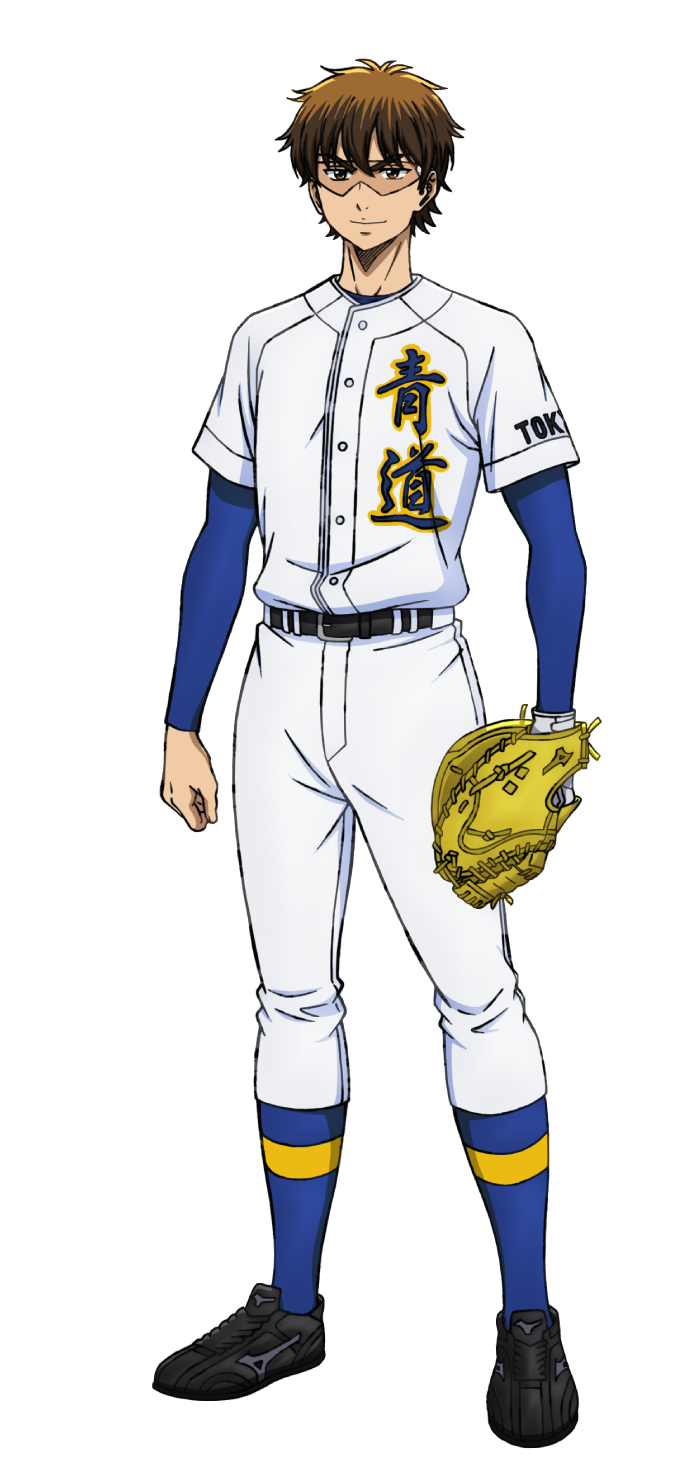
Miyuki’s catcher role makes him a natural reference for sports understanding. He is valued for drawing out pitchers’ abilities, so his impact depends on relationships and decisions as well as physical execution. His appeal is an athlete who makes someone else’s skill more effective.
THE CHARACTER BEHIND THE MOTIVATION
The official early profile presents Miyuki as a highly regarded catcher with a gift for bringing out pitching talent. Hypekage uses that premise to ask what intelligent participation looks like. It can include listening, recognizing a teammate’s preferences and discussing what an option is intended to accomplish. A general gym routine can support physical capacity but does not teach pitch selection or game management by itself. If Miyuki inspires you, identify one situation you want to understand better and bring it to a qualified coach. Insight becomes more useful when you can describe the observation behind it.
Learn to explain the reason behind a sport-specific choice, without claiming a general IQ gain.
Use this as a starting point for choosing your own goal. Character artwork and supernatural abilities cannot predict your physique or rate of progress.
Character and story reference: TV Tokyo — Ace of Diamond character profiles ↗Your direction / Sport IQ
Practice observation and explicit reasoning; this draft has no physique target or claim of general IQ improvement.
The official profile identifies Miyuki as a catcher and captain. This notebook practices baseball context; it does not certify pitch calling.
Count, runners and explicit game plans
Draft for coach review. This is a complete editorial draft with proposed exercises and progression. Fitness coach review is pending. Review the starting-dose notes before using the tables.
Choose a familiar rule set and examples with enough visible context. A plausible decision may differ from the event that actually happened; a coach must distinguish sound reasoning from hindsight. No private surveillance, deception practice or diagnosis of other people.
The official profile identifies Miyuki as a catcher and captain. This notebook practices baseball context; it does not certify pitch calling.
Practice observation and explicit reasoning; this draft has no physique target or claim of general IQ improvement.
Identify the game state before proposing a plan.
Revise a plan with evidence while respecting pitcher workload.
These are educational decision-making or reasoning practices, not a treatment, intelligence test or promise of increased general IQ. Transfer to sport must be checked through actual coached practice.
Choose a familiar rule set and examples with enough visible context. A plausible decision may differ from the event that actually happened; a coach must distinguish sound reasoning from hindsight. No private surveillance, deception practice or diagnosis of other people.
Use your own or lawfully accessible footage, diagrams or original scenarios. Pause and reason before checking; record uncertainty rather than inventing a correct answer.
Follow the task order and reflection steps. Record your prediction before checking the outcome, then review the decision with a relevant coach or educator. These practices do not establish a change in general IQ.
| Day | Session |
|---|---|
| Monday | Miyuki · Catcher’s Decision Notebook — observe and explain |
| Tuesday | No additional session from this block |
| Wednesday | Rest or ordinary easy activity |
| Thursday | Miyuki · Catcher’s Decision Notebook — challenge and revise |
| Friday | No additional session from this block |
| Saturday | Rest or existing coached practice, without adding another full plan |
| Sunday | Review the log and prepare the next week |
Identify the game state before proposing a plan.
Spend two minutes arranging the page, reviewing the relevant rules and choosing the examples. Write today’s single question. Adjust screen distance and seating; a paper diagram is an equally valid format.
| Task | Sets / rounds | Attempts / duration | Rest |
|---|---|---|---|
| Game-state inventory | 1 | 4 minutes | 60 seconds to stand, look away and reset |
| Two-plan comparison | 1 | 4 minutes | 60 seconds to stand, look away and reset |
| Battery communication | 1 | 3 minutes | 60 seconds to stand, look away and reset |
Pause four baseball situations. Write count, outs, runners and score. Mark unavailable information. Success: no proposed plan precedes the inventory.
Alternative: Use a coach-written scorecard scenario.
For two states write a conservative option and an alternative. Explain one risk of each without inventing a pitcher’s repertoire. Success: label assumptions.
Alternative: Compare only positioning options with a coach.
Draft one short question a catcher should clarify with the pitcher or coach. Explain the answer needed before acting. Success: question is specific and respectful.
Alternative: Write the question as a dugout discussion note.
Revise a plan with evidence while respecting pitcher workload.
Spend two minutes arranging the page, reviewing the relevant rules and choosing the examples. Write today’s single question. Adjust screen distance and seating; a paper diagram is an equally valid format.
| Task | Sets / rounds | Attempts / duration | Rest |
|---|---|---|---|
| New count, new plan | 1 | 4 minutes | 60 seconds to stand, look away and reset |
| Evidence versus narrative | 1 | 4 minutes | 60 seconds to stand, look away and reset |
| Workload boundary check | 1 | 3 minutes | 60 seconds to stand, look away and reset |
Change the count or baserunner in three paper states and reconsider the earlier choice. Success: identify which changed constraint matters.
Alternative: Use one scenario repeatedly with different counts.
Review three previous entries. Separate observed pitch results from guesses about confidence or intent. Success: replace one unsupported story with an observable cue.
Alternative: Ask a coach to mark the unsupported sentence.
Write which coach or league resource governs workload and one question about rest. Success: your tactical notes do not prescribe extra throws.
Alternative: Read the applicable team workload policy together.
Use familiar examples at your own pace. Record each decision and the evidence before revealing the next event. Collect a baseline of explanations and disagreements; no time pressure or intelligence score.
Use different examples of the same situation. Have a coach or partner examine the cues and the available alternatives. Correct one recurring misunderstanding. Keep the same session time rather than adding more clips.
Change one constraint: score, position, missing information or rule. State what is unknown and one plausible alternative. Keep the pause long enough to explain the choice; reduce complexity if the rule understanding breaks down.
Complete the same tasks with unseen examples. Compare explanations and confidence with week 1, then discuss one cue to explore in ordinary coached practice. A better worksheet score is not proof of better game performance or increased IQ.
These sources inform general training, activity, equipment, and pacing principles. They do not validate this exact exercise selection, dose, or progression, and do not endorse Hypekage.
BEFORE YOU START
The official profile identifies Miyuki as a catcher and captain. This notebook practices baseball context; it does not certify pitch calling. The sessions and progression are Hypekage’s proposed adult practice block, not a canon prescription.
These tasks practice a specific decision or reasoning process. They do not establish an improvement in general IQ; transfer needs to be checked through relevant real practice and feedback.
Check the full equipment list, the starting-dose notes and 2-day weekly schedule with your coach. The 4-week draft includes progression and alternatives but has not yet been coach-approved.
Official trailer
Published by DMM pictures. May include scenes beyond this page’s focus.
KEEP EXPLORING